
Is DS-01® Daily Synbiotic Right For You?

VCNLabs

The science of probiotics demands precision. In collaboration with leading scientists and research partners from around the world, we develop research-backed probiotics for outcomes across gastrointestinal, dermatological, oral, pediatric, and nutritional health.

01

Carbon Dioxide

Research Collaborators

The Two Frontiers Project

Could ‘extreme’ microbes steward the future of carbon capture on Earth and in space?

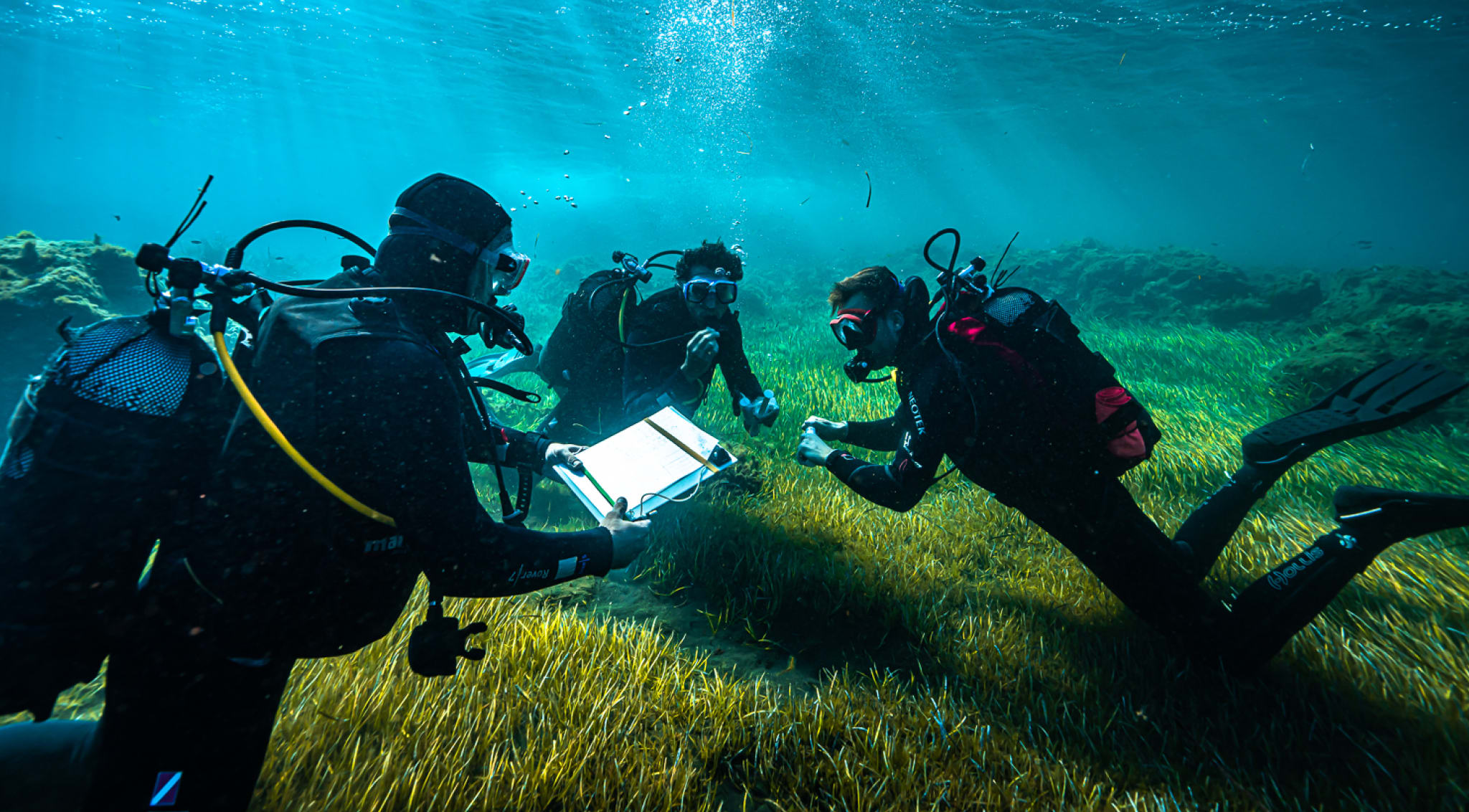
Humanity’s two greatest frontiers—oceans and space—have much in common; one of their similarities being carbon dioxide (CO₂).

The majority of the Earth's atmospheric CO₂ is absorbed into the ocean.¹ As humans increase fossil fuel usage, deforestation, and other industrial processes, there’s even greater production of CO₂—and it’s changing the ocean’s chemistry at an unprecedented rate. As this excess CO₂ dissolves into our oceans, it reduces the pH, leading to ocean acidification and disrupting ecologically and economically critical marine processes. By the end of this century, the ocean is expected to be 150% more acidic² than it is now, making it one of the greatest threats to global marine life, quickly becoming considered one of climate change’s “silent killers.”³

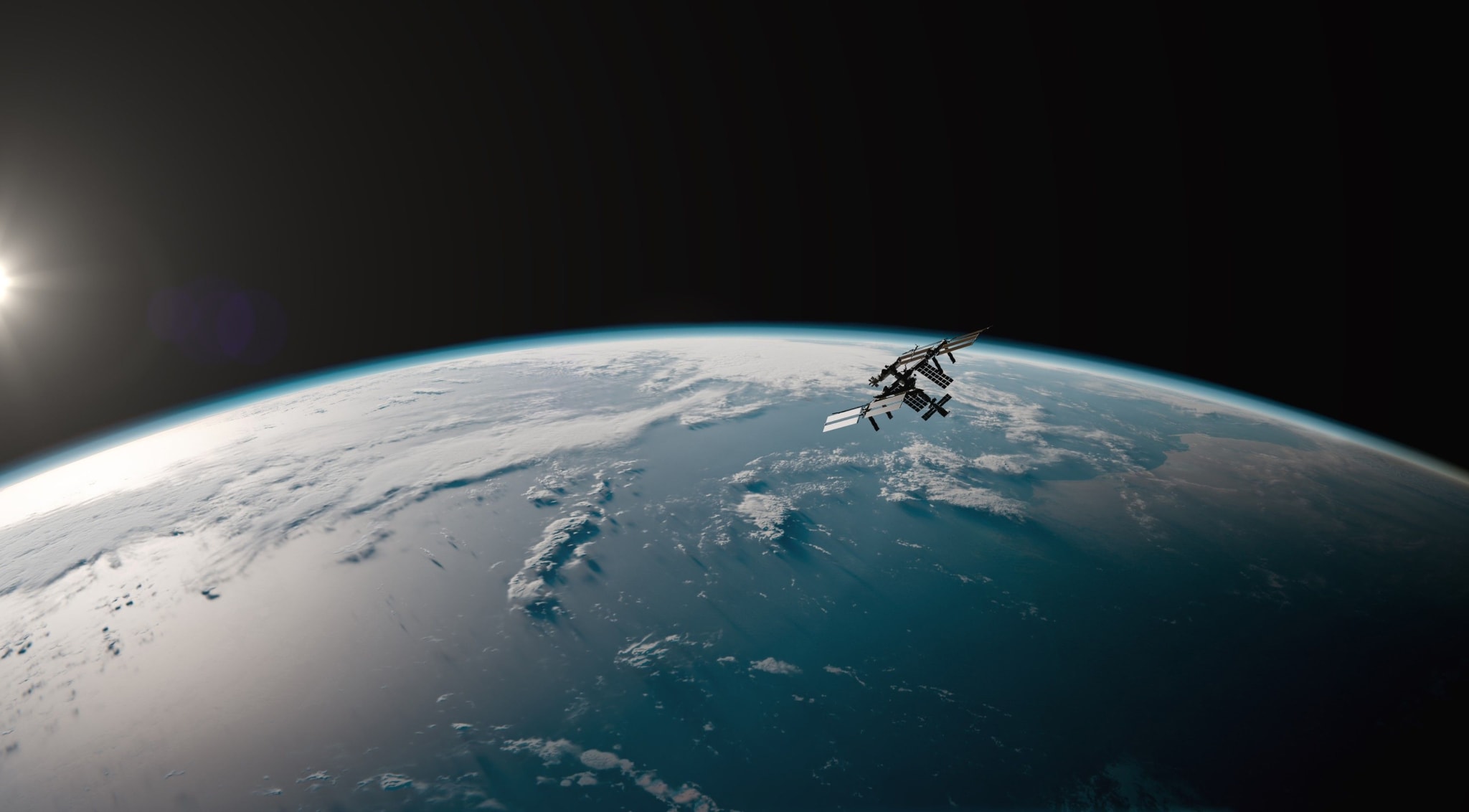
However, excessive CO₂ is a challenge faced by humanity everywhere we go—including space. The major biochemical waste product of humans in enclosed biosphere or life support systems in space is CO₂; the CO₂ exhaled by astronauts during space flight (i.e., on the International Space Station) can result in health problems, from headaches to hypercapnia. To survive in increasingly hostile and extreme environments we need ways to capture this carbon and convert it into resources needed to survive.

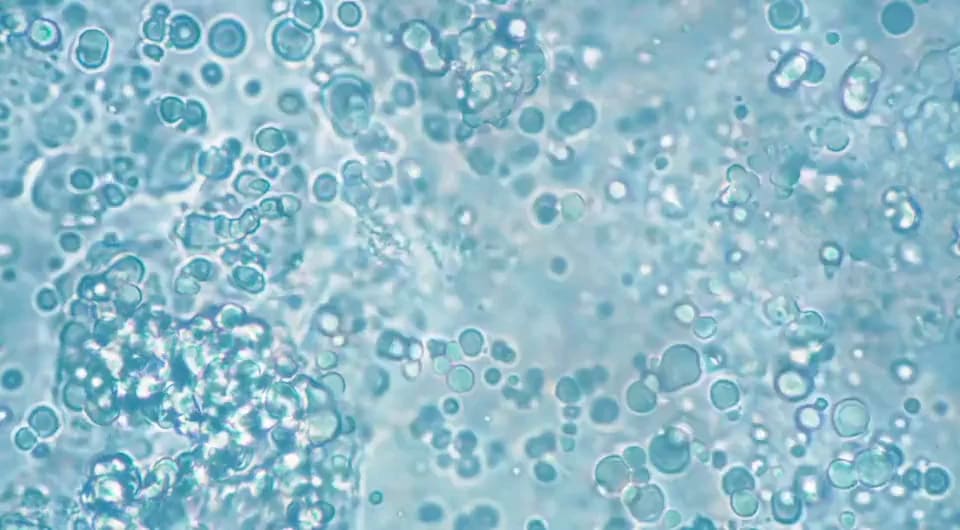
Enter The Two Frontiers Project (2FP). Founded by Dr. Braden Tierney, Krista Ryon, and Dr. James Henriksen, 2FP is an expedition-based non-profit research initiative devoted to “scientifically exploring” humanity’s greatest frontiers: the oceans and space. This team searches for solutions—usually in the form of extremophilic microbes adapted to extreme conditions that mirror future environmental challenges, such as rising temperatures, heightened radiation, and ocean acidification. Specifically, their flagship initiative aims to discover carbon-eating microbes living in extreme environments across the planet.
02

Plastics

What if a microbe could help change the future of plastic?

The UN has called the accumulation of plastics a planetary crisis. Plastic is rampant in our environment, and it’s even becoming a problem in outer space. Plastic waste used by astronauts is building up inside spacecraft, posing a growing challenge to long space missions. Recycling isn’t enough to fix the plastic crisis—we need new solutions for cleaning up waste.

In collaboration with research collaborators from institutions including MIT Media Lab Space Exploration Initiative, the National Renewable Energy Laboratory, and Harvard Medical School, we developed and tested an autonomous bioreactor system that degrades single-use polyethylene terephthalate (PET) plastic and upcycles it into the components of a new, environmentally benign material (‘new plastic’) using bacteria and enzymes.

The system first introduces PET to a specialized enzyme, which breaks it down into organic compounds, then utilizes a bioengineered bacterial strain—Pseudomonas putida KT24401—to convert these compounds into β-ketoadipic acid (BKA)—a high performance nylon monomer which can then be 3D printed into various objects for use on Earth or in space (think: sneakers, shirts, chairs, even a spacesuit).

03

Honey Bees

Research Collaborators

Gregor Reid, PhD, MBAScientific Board Member

Brendan A. Daisley, PhD PostDoc, University of Guelph

Could beneficial microbes help save honey bees?

Probiotics to improve honey bee immune resilience and protect against the harmful effects of pesticides, climate change, disease, and habitat loss.

Could beneficial microbes help save honey bees?

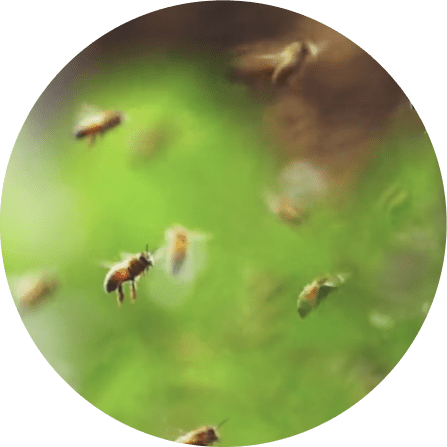
The honey bee (Apis mellifera L.) is one of our most vital insect pollinators, responsible for nearly a third of our global food crops.¹ Yet widespread pesticide use, along with climate change, disease, and habitat loss, have contributed to a stark reduction in honey bee populations over the past decade.²

03

Honey Bees

Research Collaborators

Gregor Reid, PhD, MBAScientific Board Member

Brendan A. Daisley, PhD PostDoc, University of Guelph

Could beneficial microbes help save honey bees?

Probiotics to improve honey bee immune resilience and protect against the harmful effects of pesticides, climate change, disease, and habitat loss.

Could beneficial microbes help save honey bees?

The honey bee (Apis mellifera L.) is one of our most vital insect pollinators, responsible for nearly a third of our global food crops.¹ Yet widespread pesticide use, along with climate change, disease, and habitat loss, have contributed to a stark reduction in honey bee populations over the past decade.²

04

Coral

Research Collaborators

Raquel Peixoto, PhD, MSc KAUST

Coral Morphologic

Could microbiome manipulation and probiotics help save corals?

Coral reefs are one of the most biodiverse ecosystems on Earth. They sustain 25% of marine life,1 and their function in the economics, health, and protection of human ecosystems is equally vital.

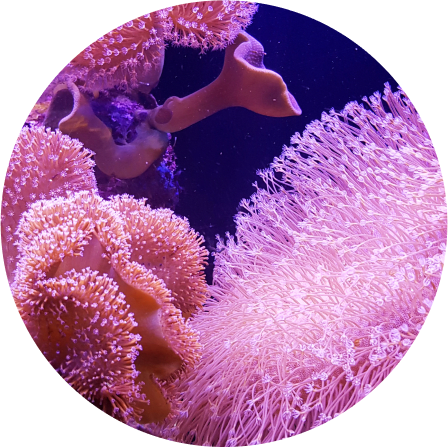
Coral is a ‘holobiont’—an animal host and the many microbes living in or on it, which function together as a single unit.2 These microbes—algal symbionts, and a variety of bacteria, archaea, fungi, and viruses—are vital partners for coral survival. They help corals get nutrients and energy, protect them from disease, and support their ability to withstand stressful conditions. Without them, corals lose much of their strength and resilience. When a coral is exposed to stressors like heat, acidity, pollution, or disease, its partnership with microbes and algae can break down.3 As these colorful symbionts are lost, the coral turns pale or white—a process called bleaching—that leaves it weakened and susceptible to death.

05

Agriculture

Culturing...

06

Biomaterials

Culturing...

Awaken Within